Relsted to Zen and the Art of Motorcycle Maintenance
:focal(6245x4415:6246x4416)/https://tf-cmsv2-smithsonianmag-media.s3.amazonaws.com/filer/76/e1/76e140f8-ccda-466f-bd0a-0d4a0f706628/oct2020_f01_prologue.jpg)
Reading Robert Pirsig's description of a road trip today, i feels insufficient. In his 1974 autobiographical novel Zen and the Art of Motorbike Maintenance, he describes an unhurried footstep over two-lane roads and through thunderstorms that have the narrator and his companions by surprise as they ride through the Due north Dakota plains. They register the miles in subtly varying marsh odors and in blackbirds spotted, rather than in coordinates ticked off. About shocking, there is a kid on the back of i of the motorcycles. When was the last fourth dimension y'all saw that? The travelers' exposure—to actual gamble, to all the unknowns of the road—is arresting to present-twenty-four hour period readers, especially if they don't ride motorcycles. And this exposure is somehow existential in its significance: Pirsig conveys the experience of being fully in the world, without the mediation of devices that filter reality, smoothing its crude edges for our psychic comfort.
If such experiences feel less available to us at present, Pirsig would not be surprised. Already, in 1974, he offered this story as a meditation on a detail fashion of moving through the globe, one that felt marked for extinction. The book, which uses the narrator'southward road trip with his son and two friends as a journey of inquiry into values, became a massive all-time seller, and in the decades since its publication has inspired millions to seek their ain accommodation with modern life, governed by neither a reflexive aversion to technology, nor a naive religion in information technology. At the heart of the story is the motorcycle itself, a 1966 Honda Super Hawk. Hondas began to sell widely in America in the 1960s, inaugurating an abiding fascination with Japanese design amongst American motorists, and the company's founder, Soichiro Honda, raised the thought of "quality" to a quasi-mystical condition, coinciding with Pirsig's own efforts in Zen to articulate a "metaphysics of quality." Pirsig's writing conveys his loyalty to this machine, a relationship of care extending over many years. I got to work on several Hondas of this vintage when I ran a motorcycle repair shop in Richmond, Virginia. Compared to British bikes of the aforementioned era, the Hondas seemed more refined. (My writing career grew out of these experiences—an endeavour to articulate the homo chemical element in mechanical work.)
In the showtime chapter, a disagreement develops between the narrator and his riding companions, John and Sylvia, over the question of motorcycle maintenance. Robert performs his own maintenance, while John and Sylvia insist on having a professional practise it. This posture of non-involvement, nosotros soon learn, is a crucial element of their countercultural sensibility. They seek escape from "the whole organized flake" or "the organization," as the couple puts information technology; engineering is a death force, and the point of hitting the road is to leave it behind. The solution, or rather evasion, that John and Sylvia striking on for managing their revulsion at technology is to "Take information technology somewhere else. Don't accept it hither." The irony is they still detect themselves entangled with The Machine—the 1 they sit on.
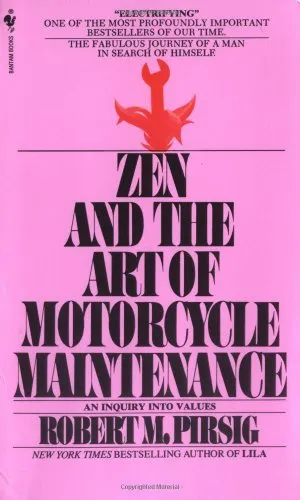
Zen and the Art of Motorcycle Maintenance
A narration of a summer motorcycle trip undertaken by a father and his son, the volume becomes a personal and philosophical odyssey into fundamental questions of how to alive. The narrator'southward human relationship with his son leads to a powerful self-reckoning; the craft of motorcycle maintenance leads to an austerely beautiful process for reconciling scientific discipline, religion, and humanism
Today, we ofttimes use "technology" to refer to systems whose inner workings are assiduously kept out of view, magical devices that offer no apparent friction between the self and the globe, no need to primary the grubby details of their operation. The manufacture of our smartphones, the algorithms that guide our digital experiences from the deject—it all takes place "somewhere else," just as John and Sylvia wished.
Yet lately we have begun to realize that this very opacity has opened new avenues of surveillance and manipulation. Big Tech at present orders everyday life more securely than John and Sylvia imagined in their techno-dystopian nightmare. Today, a route trip to "become abroad from information technology all" would depend on GPS, and would prompt digital ads tailored to our destination. The whole excursion would exist mined for behavioral data and used to nudge us into profitable channels, likely without our even knowing information technology.
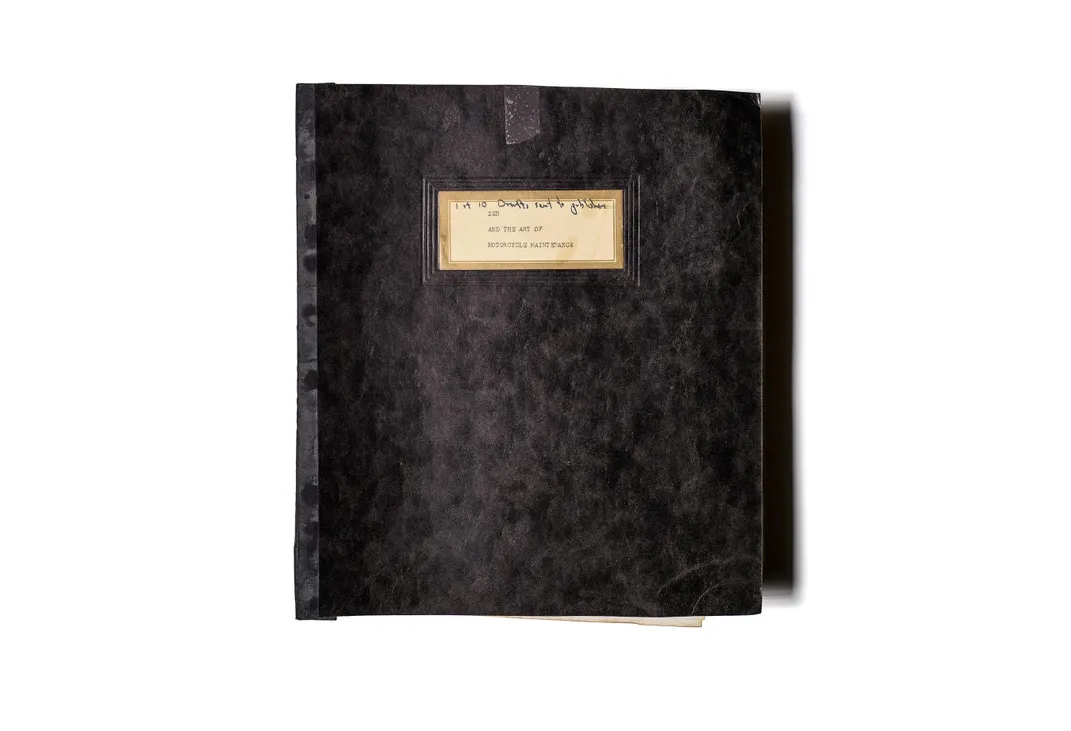
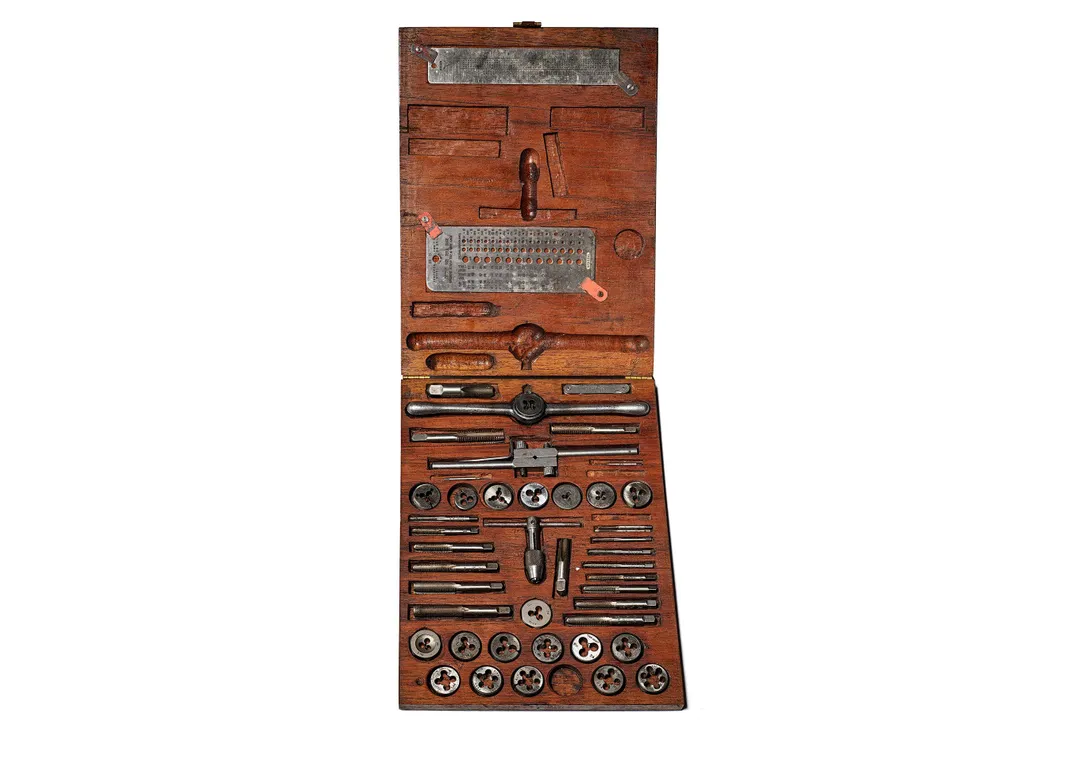
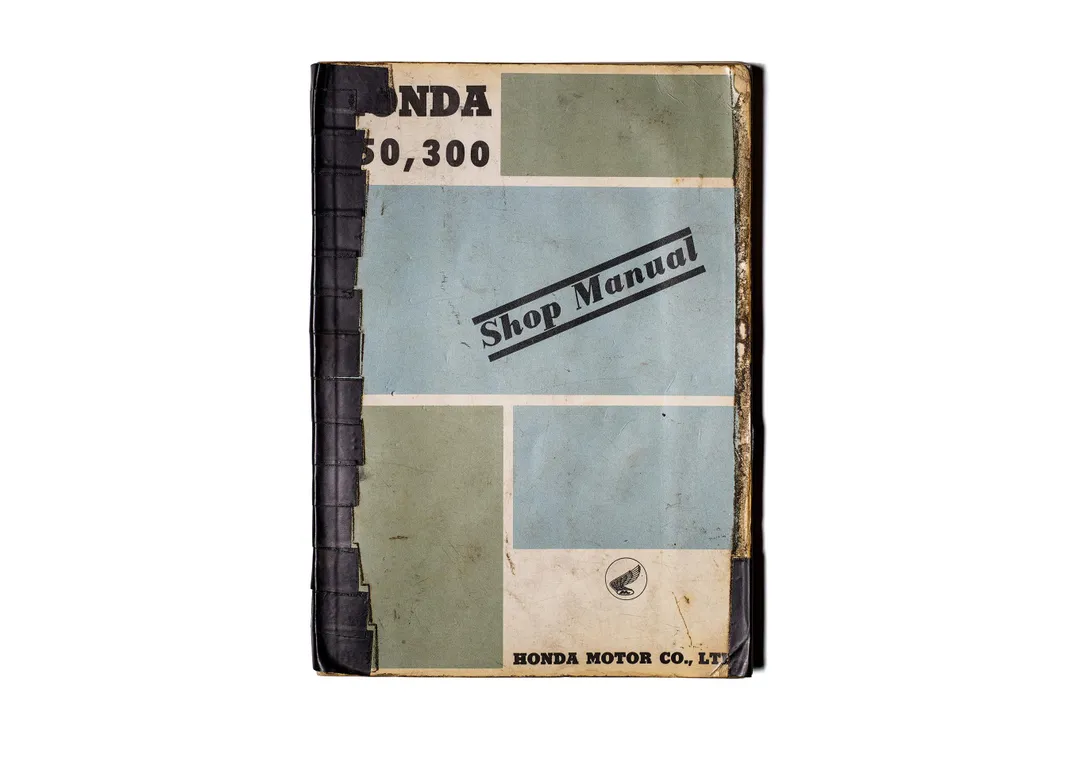
We don't know what Pirsig, who died in 2017, thought of these developments, as he refrained from most interviews later publishing a 2nd novel, Lila, in 1991. Simply his narrator has left us a way out that can be reclaimed by anyone venturesome enough to endeavor it: He patiently attends to his own motorcycle, submits to its quirky mechanical needs and learns to understand it. His way of living with machines doesn't rely on the seductions of effortless convenience; it requires us to get our hands dirty, to exist self-reliant. In Zen, we see a man maintaining straight engagement with the world of textile objects, and with it some measure out of independence—both from the purveyors of magic and from cultural despair.
Source: https://www.smithsonianmag.com/smithsonian-institution/robert-pirsig-zen-art-motorcycle-maintenance-resonates-today-180975768/
0 Response to "Relsted to Zen and the Art of Motorcycle Maintenance"
Post a Comment